
Description
From December 2022 to December 2023, HISP Rwanda led a strategic initiative to digitize and strengthen tuberculosis (TB) drug resistance surveillance in Burundi. In close collaboration with Burundi’s National Tuberculosis Control Program (PNILT), the Ministry of Public Health and AIDS Control (MSPLS), Action Damien, and UNDP Burundi—with funding from the Global Fund—the project focused on implementing the specialized DHIS2 TB Drug Resistance Survey (TB-DRS) module. The ultimate survey findings were analyzed and interpreted by the World Health Organization (WHO) headquarters in Geneva.
The Challenge
Prior to the intervention, Burundi’s national TB surveillance system relied heavily on fragmented, paper-based forms and manual Excel spreadsheets. This outdated infrastructure created severe bottlenecks, including:
- Significant delays in data reporting and aggregation.
- High rates of incomplete medical and laboratory records.
- Major hurdles in tracking and analyzing nationwide trends for drug-resistant tuberculosis in a timely manner.
Our Approach
To build a resilient digital infrastructure, HISP Rwanda provided comprehensive technical assistance to customize, validate, and deploy the DHIS2 TB-DRS tracker, closely aligning it with Burundi’s national survey tools. The implementation strategy included:
- System Customization: Configuring metadata, complex validation rules, specialized indicators, and real-time dashboards tailored to TB tracking.
- Infrastructure Deployment: Setting up dedicated DHIS2 environments across development, training, and live production instances.
- Data Integration: Centralizing clinical and laboratory data from 1,343 bacteriologically confirmed TB patients (enrolled between July 2021 and November 2022) into a single, unified platform.
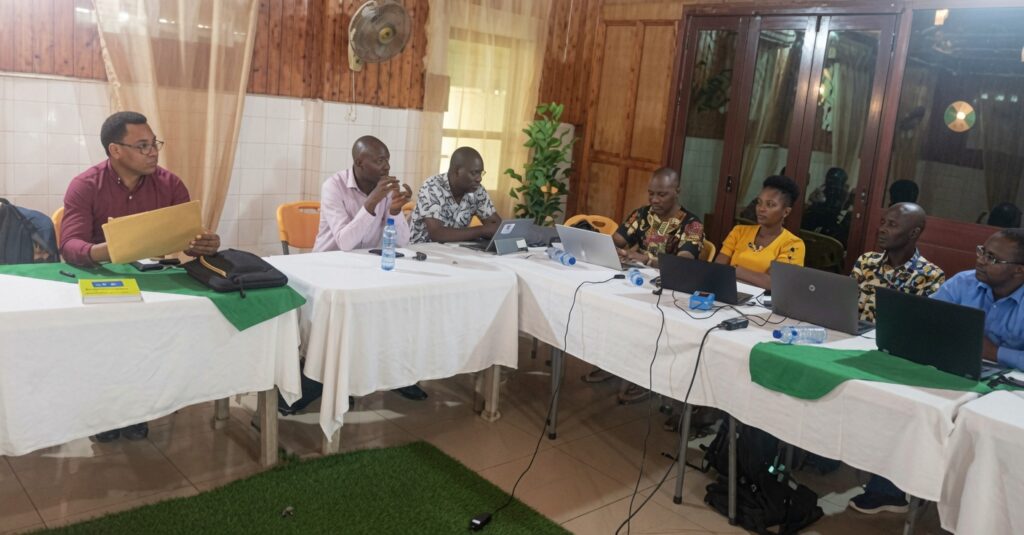
- Capacity Building & Co-Design: Conducting system validation sessions with national stakeholders to refine configurations based on user feedback, delivering technical documentation/user guides, and leading an intensive five-day hands-on data entry and analysis training for operators and analysts.
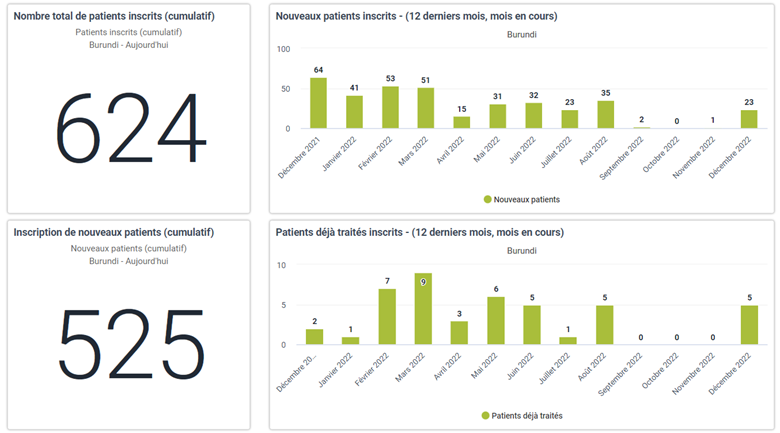
Interactive dashboard interface
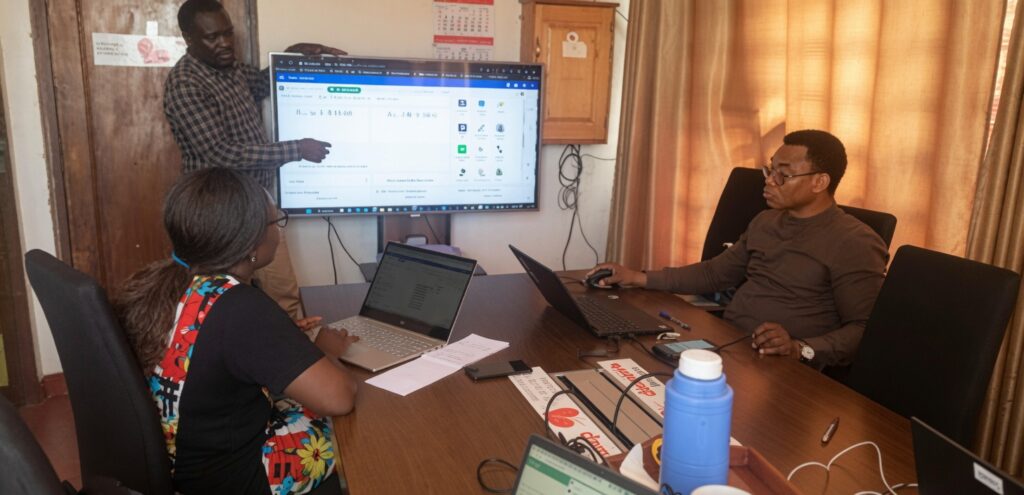
Learning Dashboard Design and Data Visualization
The Solution
The project successfully transitioned Burundi’s TB Drug Resistance Survey from a fragile paper-and-spreadsheet setup into a centralized, fully integrated digital platform. By leveraging the DHIS2 TB-DRS module, the system successfully bridged the gap between clinical patient intake and laboratory diagnostic data, ensuring every enrolled case could be monitored digitally from end to end.
Impact
Despite systemic challenges like missing clinical information and incomplete physical laboratory forms at the start, the digital transition radically upgraded the quality and accessibility of Burundi’s public health data. Key outcomes included:
- Drastic Reduction in Latency: Eliminated long reporting delays through direct digital data entry.
- Higher Data Integrity: Dramatically improved data quality, consistency, and completeness across health facilities.
- Actionable Insights: Empowered the national team with real-time analysis and visual dashboards for rapid decision-making.
- Enhanced Surveillance: Strengthened Burundi’s long-term national capacity to detect, monitor, and combat drug-resistant TB cases effectively.
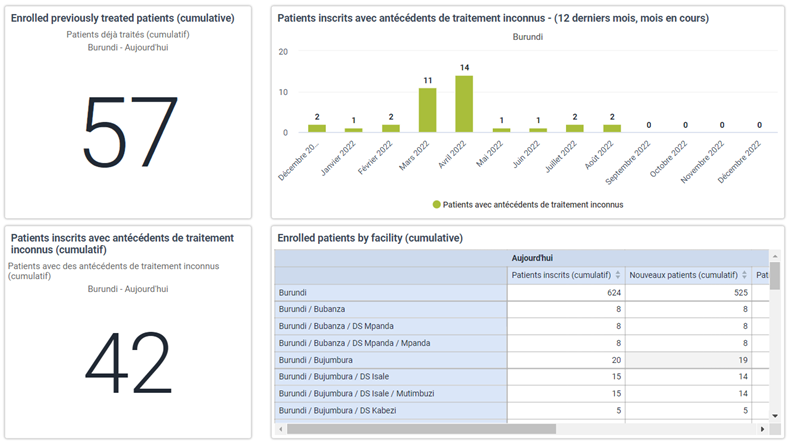
Participants Engaging with Dashboard Analytics
END