March 24, 2026 Marks World Tuberculosis Day

On March 24, 2026, World Tuberculosis Day highlights the urgent need to end TB—still the world’s deadliest infectious disease. HISP Rwanda is supporting countries including Djibouti, Chad, Burundi, Rwanda, and Tanzania with digital health solutions that strengthen TB surveillance, improve data quality, and enhance patient care.

HISP EMR: Digitizing Hospital Care in the Central African Republic

The HISP EMR deployment in the Central African Republic follows a structured approach combining system assessment, customization, and capacity building to ensure alignment with local hospital workflows. Configured in French, the system is supported by hands-on training and an EMR Showroom that simulates real hospital processes to strengthen user adoption.

By digitizing patient records and hospital operations, the platform enables clinicians to access critical information quickly and supports administrators with real-time dashboards on service delivery and resource management. At the national level, integrated data synchronization through a central EMR server provides timely, reliable insights for decision-making and health system planning.

HISP Rwanda Supports Digital Innovation to Strengthen Immunization Planning

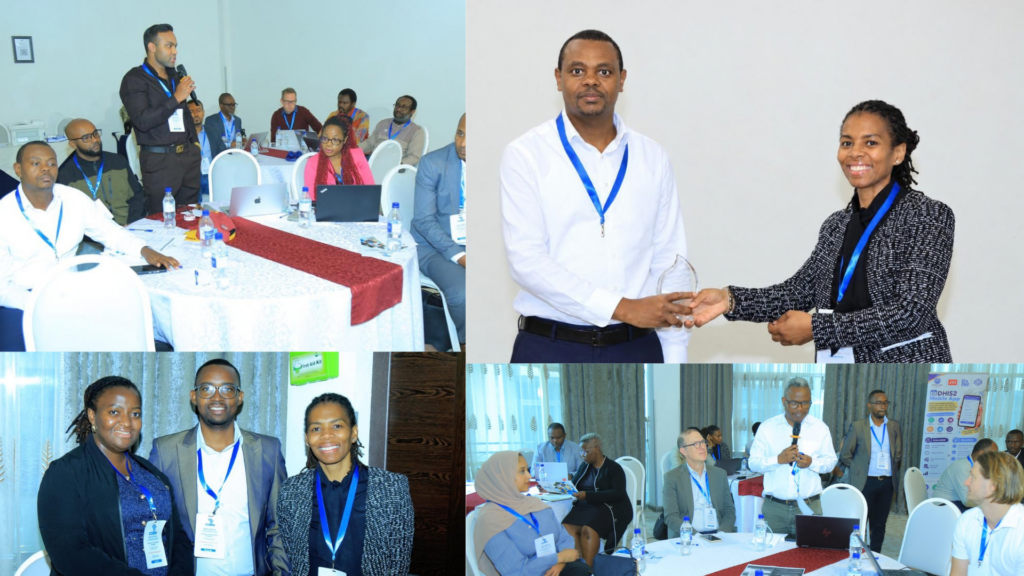
Last week, HISP Rwanda supported the Rwanda Biomedical Centre (RBC) and partners in a Training of Trainers on the Digitalized REC Microplanning Tool in Musanze District. The training equipped central-level staff and hospital EPI supervisors to use the DHIS2-integrated system to develop, analyze, and generate ready-to-use immunization microplans, enhancing efficiency and accuracy in vaccination planning.

Vaccination de routine : la RCA accélère la digitalisation de la microplanification pour améliorer la couverture vaccinale.

La République Centrafricaine accélère la transformation de sa planification vaccinale grâce à la digitalisation des microplans via DHIS2. Avec l’appui technique de HISP Rwanda, 76 formations sanitaires de la région sanitaire n°5 disposent désormais de microplans numériques, de cartes géospatiales et de tableaux de bord interactifs. Cette initiative améliore la qualité des données, facilite le suivi en temps réel et constitue un modèle prometteur pour renforcer la couverture vaccinale à l’échelle nationale.

Scroll to Top