
The Comoros Expanded Programme on Immunization transitioned vaccination data management from DVD-MT to DHIS2, including the migration of historical data from 2019–2025. This intervention improved data quality, continuity, analysis, and use, supporting evidence-based decision-making across all levels of the health system.
Background
Since 2022, the Ministry of Health in the Union of the Comoros has been using DHIS2 as the national platform for collecting, storing, and analyzing routine health information. However, vaccination data management remained outside the platform and relied on the District Vaccine Data Management Tool (DVD-MT), an Excel-based reporting system used to collect, compile, and store vaccination data monthly. Although functional, the manual process created delays in reporting, risks of inconsistencies and duplication, limited real-time visibility, and challenges in data analysis and timely decision-making.
The Challenge
Before the digital transformation, vaccination reporting relied heavily on spreadsheets and manual aggregation processes. This resulted in:
- Delays in submitting reports from health facilities to the central level
- Increased risks of data inconsistencies and duplication
- Limited visibility of vaccination performance in real time
- Difficulties in data analysis and timely decision-making
- Data quality challenges caused by manual compilation and reporting
As the national routine health information system evolved, the need to integrate immunization data into the country’s centralized digital health ecosystem became increasingly important.
The Solution
With support from Gavi, the Vaccine Alliance, HISP Rwanda collaborated with the Ministry of Health and the Expanded Programme on Immunization (EPI) in Comoros to digitalize the DVD-MT tool and integrate immunization reporting directly into the national DHIS2 platform. The intervention focused on configuring DHIS2 to align with national immunization reporting tools and workflows while ensuring continuity through the migration of historical vaccination data covering the period 2019–2025.
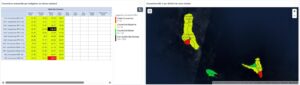
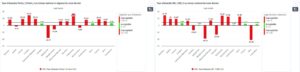
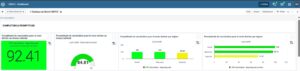
Dashboard interface within DVD-MT
The Approach
The implementation followed a structured and collaborative approach to ensure the system responded effectively to the country’s needs.
- Information Gathering
The project began with consultations and assessments involving key stakeholders to understand the existing workflow, reporting structure, and operational challenges linked to the Excel-based system. - Planning
Based on the findings, implementation teams developed a deployment roadmap, defining timelines, technical requirements, and coordination mechanisms with the Ministry of Health. - Design and Customization
HISP Rwanda customized the digital version of the DVD-MT within DHIS2 to align with national vaccination reporting indicators and workflows. - Testing and Validation
Before national rollout, the platform underwent testing and validation to ensure accuracy, usability, and alignment with the country’s reporting requirements. - Historical Data Import (2019–2025)
Historical vaccination data from the Excel-based system was imported into the new platform to maintain continuity and support long-term analysis. - Capacity Transfer
Health workers and program teams received training and technical support to strengthen ownership and ensure smooth adoption of the digital system. - Supportive Supervision
Continuous follow-up and supportive supervision were conducted during implementation to address challenges, reinforce best practices, and improve system use across vaccination sites.


 HISP Team during DVD-MT training sessions in Comoros
The Impact
The transition from DVD-MT to DHIS2 significantly strengthened immunization data management in Comoros. Data completeness increased by over 90%, while reporting timeliness improved by approximately 85% through automated validation rules and centralized reporting processes. More than six years of historical vaccination data (2019–2025) were successfully migrated into DHIS2, ensuring continuity for trend analysis and retrospective assessment of vaccination coverage.
DHIS2 now provides centralized, real-time access to immunization data for 79 health facilities nationwide. Dashboards and automated indicators improved monitoring, targeted supervision, and evidence-based planning. The intervention also strengthened national ownership and capacity for sustainable data governance. END