Author name: Irene KIMENYI

Training on Integration of e-Tracker and e-VLMIS with Barcode System

HISP Rwanda supported a national training on the integration of e-Tracker and e-VLMIS with barcode scanning technology to strengthen vaccine traceability, data quality, and immunization supply chain management in Rwanda. Through technical facilitation and hands-on sessions, HISP Rwanda contributed to building the capacity of central-level teams, EPI supervisors, and Zipline staff on enhanced digital immunization workflows and reporting systems.

Strengthening Health Financing: Rwanda Launches PBF Version 3

Rwanda continues to strengthen its health system through digital innovation with the launch of Performance-Based Financing (PBF) Version 3. Developed with support from HISP Rwanda, the upgraded platform enhances efficiency, transparency, and data-driven decision-making in health financing.

KARAME Enters Rwanda’s Top 10 Education Apps on Google Play Just Three Weeks After Launch

KARAME has entered Rwanda’s Top 10 Education apps on Google Play just three weeks after launch, reaching over 38,000 installs and 47,000 devices nationwide. Developed through a collaboration between HISP Rwanda, Ministry of Education Rwanda (MINEDUC), Save the Children, Waliku, and HISP Mozambique, the platform is helping schools digitally monitor student attendance and support efforts to keep every child connected to education in Rwanda.

Enhancing Immunization Oversight with the PEV Reports Generator and Supervision Tool: A Use Case from Chad

Ensuring that every vaccine reaches the right place at the right time requires more than strong supply chains, it depends on clear visibility, consistent supervision, and timely use of data. In Chad, efforts to strengthen immunization oversight have led to the adoption of a digital approach that connects field supervision with real-time reporting.

In this article, we take a closer look at how the PEV Reports Generator, integrated with the DHIS2 Supervision Tool, is helping transform routine immunization monitoring, turning scattered data into actionable insights and enabling better decisions for improved vaccine delivery and logistics management.

Digitizing Health Partnerships: How HISP Rwanda’s HPMP is Driving Transformation in Collaboration.

HISP Rwanda, in collaboration with the Ministry of Health Rwanda, developed the Health Partnerships Management Platform (HPMP) to modernize and simplify partnership management. The digital solution streamlines MOU applications, approvals, and project monitoring by replacing manual, paper-based processes with a centralized online system. HPMP improves efficiency, transparency, coordination, and real-time tracking of health partner activities, enabling stronger collaboration and faster delivery of health interventions across Rwanda.

Le Tchad accélère sa transformation numérique du système de santé avec l’accompagnement technique de HISP.

🇹🇩✨ Le Tchad franchit une nouvelle étape dans la modernisation de son système de santé à travers la digitalisation du pilotage sanitaire et la mise en place d’un Dossier Médical Électronique (DME). Avec l’appui technique de HISP Rwanda, cette initiative vise à renforcer la qualité des soins, améliorer la coordination des services de santé et faciliter la prise de décision grâce à des données fiables et intégrées.

République centrafricaine : le dossier médical électronique franchit une nouvelle étape au CNRISTTAR

Sous le leadership du Dr Pierre SOMSE, la République centrafricaine franchit une étape importante dans la transformation numérique de son système de santé avec la mise en place d’un Dossier Médical Électronique au Centre d’écoute des jeunes du CNRISTTAR. Cette innovation permet de digitaliser l’ensemble du parcours du patient et d’améliorer la qualité, la continuité et l’efficacité des soins.

Great news! Karame is now up and running on the Google Play Store!

Now available on the Google Play Store, Karame is an official mobile application developed for MINEDUC to help schools digitally track and manage student attendance in real time. Designed for headteachers and teachers, the app works offline and syncs securely with the national system, enabling early identification of students at risk of dropping out. This milestone highlights the power of collaboration and technology in advancing inclusive and equitable education across Rwanda. Rwanda is accelerating its mission to ensure every child is in school through the Zero Out-of-School Children (Zero OOSC) project, which aims to reintegrate over 177,000 children into the education system.

HISP RWANDA QUARTERLY NEWSLETTER (January – March 2026)

HISP Rwanda Quarterly Newsletter (January – March 2026)

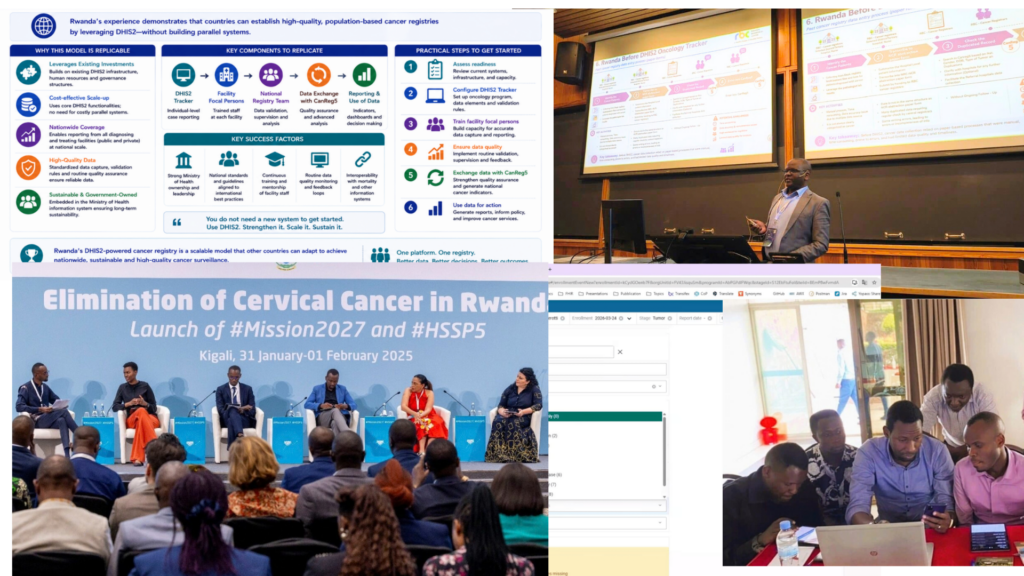
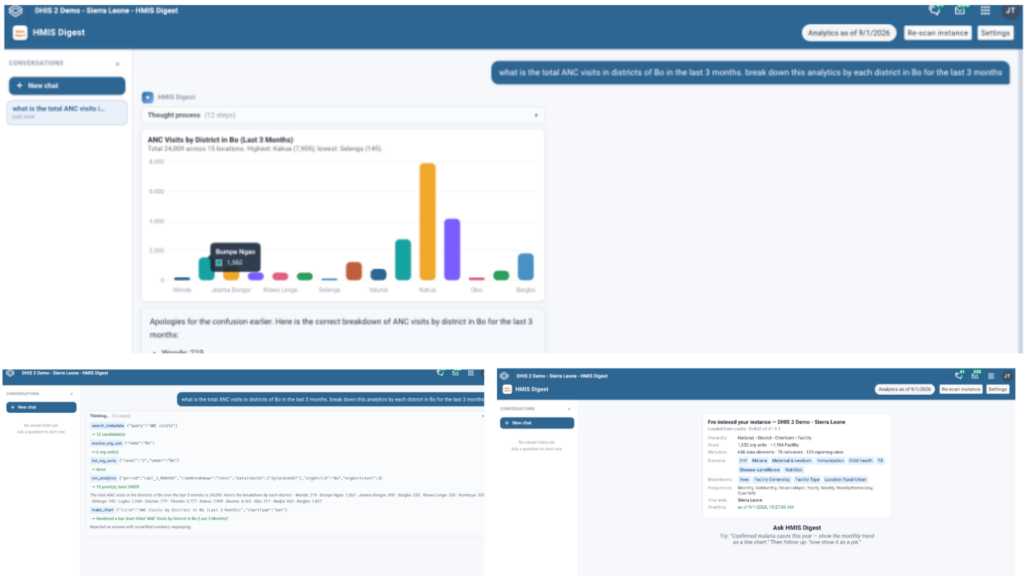
Discover the key highlights of HISP Rwanda’s work from January to March 2026. This edition showcases major milestones in digital health, including the launch of AI-powered tools for epidemic detection, strengthened vaccine supply chains, improvements in education data systems, and global collaborations to advance health surveillance. Learn how HISP Rwanda is driving data-driven decision-making, supporting communities, and strengthening health systems in Rwanda and beyond.

March 24, 2026 Marks World Tuberculosis Day

On March 24, 2026, World Tuberculosis Day highlights the urgent need to end TB—still the world’s deadliest infectious disease. HISP Rwanda is supporting countries including Djibouti, Chad, Burundi, Rwanda, and Tanzania with digital health solutions that strengthen TB surveillance, improve data quality, and enhance patient care.

HISP EMR: Digitizing Hospital Care in the Central African Republic

The HISP EMR deployment in the Central African Republic follows a structured approach combining system assessment, customization, and capacity building to ensure alignment with local hospital workflows. Configured in French, the system is supported by hands-on training and an EMR Showroom that simulates real hospital processes to strengthen user adoption.

By digitizing patient records and hospital operations, the platform enables clinicians to access critical information quickly and supports administrators with real-time dashboards on service delivery and resource management. At the national level, integrated data synchronization through a central EMR server provides timely, reliable insights for decision-making and health system planning.

Scroll to Top