
01. Concept Overview
The PEV Reports Generator is a specialized web-based extension integrated with the DHIS2 Supervision Tool. It serves as the analytical engine for routine immunization programs, designed to bridge the gap between raw data collection and actionable health informatics.
By automating the transformation of field supervision data into structured reports, the tool empowers health managers at every administrative tier—from local facilities to national headquarters—to monitor vaccine delivery, cold chain integrity, and logistical performance in real-time.
02. Problem Landscape
Before the implementation of this digital solution, immunization programs faced significant operational bottlenecks rooted in manual processes:
- Fragmentation: Data on vaccine stocks and logistics were scattered across disparate paper sources.
- Latency: The transition from field visits to consolidated reports was slow, delaying critical interventions.
- Data Integrity: Manual transcription increased the risk of inconsistencies and human error.
- Inflexible Reporting: There was no unified system capable of providing specific data views tailored to district, provincial, and national stakeholders.
03. The Technical Solution
The PEV Reports Generator leverages DHIS2-native integration to pull data directly from existing supervision workflows. Its descriptive features include:
Core Capabilities
| Feature | Description |
| Automated Retrieval | Direct synchronization with DHIS2 routine supervision and vaccine distribution datasets. |
| Multi-Tier Reporting | Generation of specialized reports for Sub-National (DSN) and Central (DC) depots. |
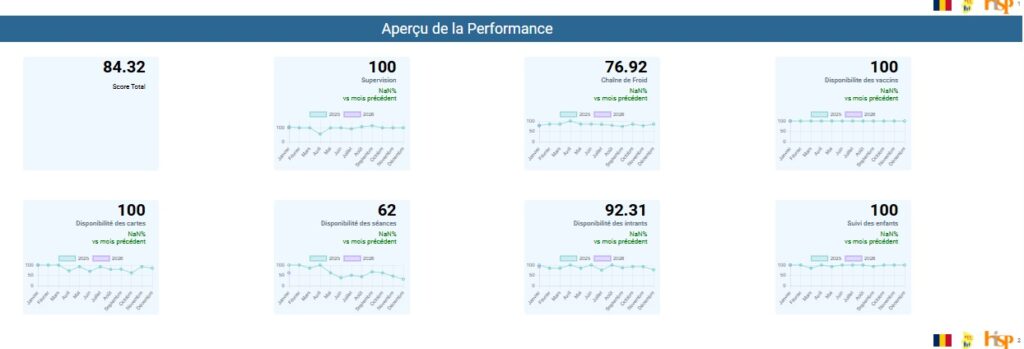
| Data Visualization | Dynamic interpretation through color-coded indicators, tables, and trend charts. |
| Export Utility | High-fidelity, print-ready PDF generation for archiving and field-level follow-ups. |
Architectural Highlights
- Configurable Layouts: Report templates are metadata-driven, ensuring the system can be updated without rewriting the core codebase.
- Parameter-Driven Analysis: Users can filter outputs by Organization Unit, reporting period, and specific program indicators.
- Centralized Management: Metadata, including indicators and program stages, are managed in a single repository to ensure system-wide consistency.
04. Implementation Strategy & Partnership
In collaboration with HISP, the project followed a rigorous digital transformation roadmap:
- Digitization: Redesigning traditional paper tools into optimized DHIS2 data collection forms.
- Configuration: Setting up DHIS2 metadata and custom workflows to support the new reporting logic.
- Capacity Building: Executing comprehensive training programs for users across all administrative levels.
- Sustained Support: Providing continuous technical assistance and field monitoring to ensure high adoption rates.
05. Key Impacts
The deployment of the PEV Reports Generator has transitioned the immunization program into an evidence-based operational model:
- Visibility: Enhanced oversight of cold chain equipment status and vaccine stock levels.
- Standardization: Uniform reporting formats across all provinces allow for objective performance benchmarking.
- Efficiency: Significant reduction in administrative overhead, allowing supervisors to focus on quality of care rather than data entry.
- Accountability: Real-time access to quality data ensures that every level of the health system is accountable for service delivery.
06. System Interface
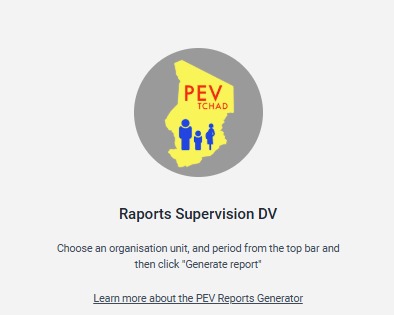
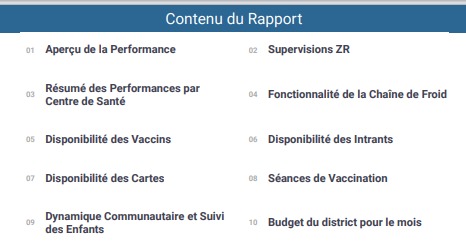
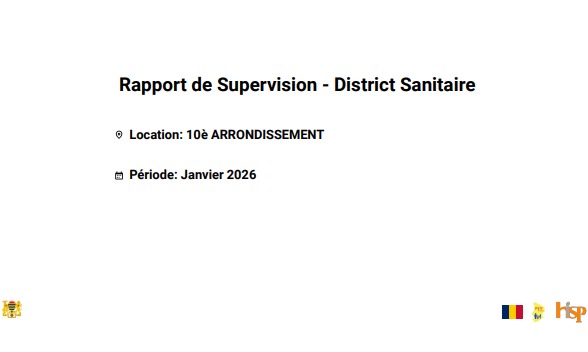
Below are visual representations of the PEV Reports Generator in action, highlighting the user dashboard and the automated report outputs.
Conclusion
The PEV Reports Generator stands as a testament to the power of digital integration. By turning supervision data into “Actionable Intelligence,” the tool ensures that vaccine delivery is not just recorded, but continuously optimized to save lives. END