
Between December 2022 and December 2023, HISP Rwanda collaborated with Burundi’s National Tuberculosis Control Program (PNILT), the Ministry of Public Health and AIDS Control (MSPLS), Action Damien, and the United Nations Development Programme (UNDP) Burundi, with financial support from the Global Fund, to strengthen tuberculosis drug resistance surveillance through the implementation of the DHIS2 TB-DRS module.
The interpretation and analysis of the survey findings were carried out by the World Health Organization in Geneva..
At the time, Burundi’s TB surveillance system relied heavily on paper-based forms and Excel files, leading to delays in reporting, incomplete records, and challenges in monitoring drug-resistant tuberculosis trends nationwide.
To address these challenges, HISP Rwanda provided technical assistance to customize and deploy the TB-DRS package within DHIS2, aligning the system with the national survey tools used for the TB Drug Resistance Survey (DRS).
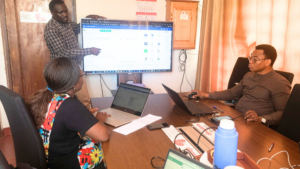
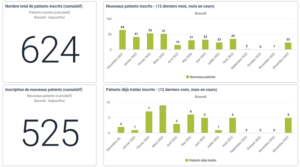
The project included:
-Configuration of metadata, validation rules, indicators, and dashboards;
-Deployment of DHIS2 development, training, and production instances;
-Integration of clinical and laboratory data into a centralized digital platform;
-Development of technical documentation and user guides;
-Capacity-building sessions for data entry operators, analysts, and national teams.
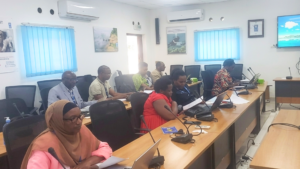
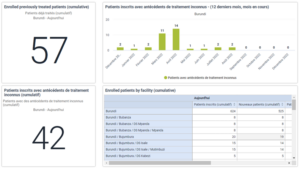
As part of the national survey, Burundi enrolled 1,343 bacteriologically confirmed TB patients between July 2021 and November 2022 to better assess the prevalence and risk factors associated with TB drug resistance.
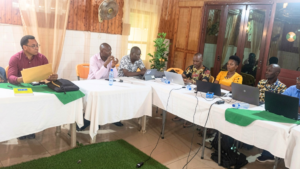
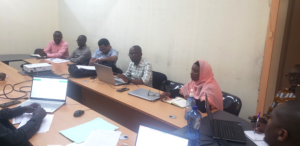
HISP Rwanda also facilitated a five-day hands-on training on data entry and data analysis using the DHIS2 TB-DRS tracker. In addition, system validation sessions were conducted with national stakeholders to review configurations and improve the platform based on user feedback.
Despite challenges such as incomplete laboratory forms and missing clinical information, the project significantly improved the quality and accessibility of TB surveillance data.
The transition from paper-based reporting to DHIS2 helped:
-Reduce reporting delays;
-Improve data quality and completeness;
-Strengthen real-time analysis and visualization through dashboards;
-Enhance Burundi’s capacity to detect and monitor drug-resistant TB cases.
This initiative demonstrated how digital health solutions can strengthen disease surveillance systems and reinforced HISP Rwanda’s commitment to supporting sustainable and data-driven health information systems across the region.
END