
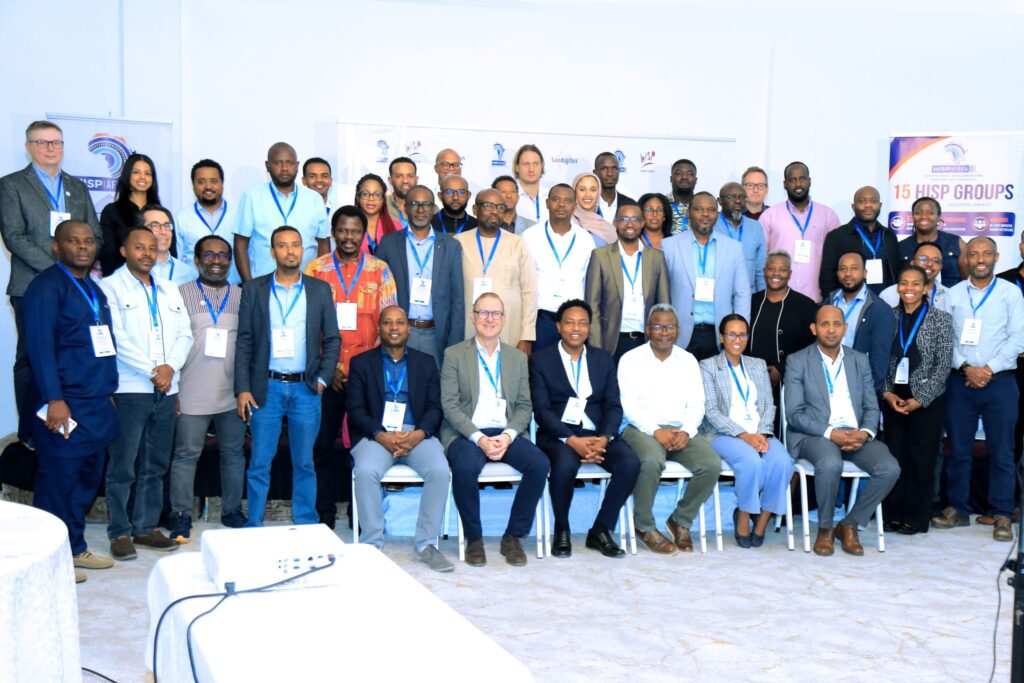
HISP Rwanda joined HISP Africa members, government representatives, development partners, and digital health stakeholders in Addis Ababa, Ethiopia, for the HISP Africa Convening 2026, held under the theme “Powering Partnerships for Impact.”
The five-day convening brought together members of the HISP Africa network and partners from across the continent to exchange experiences, strengthen collaboration, explore emerging opportunities, and reflect on how digital technologies and data-driven systems can contribute to sustainable development and improved health outcomes in Africa.
For HISP Rwanda, the convening provided an important platform to share experiences from Rwanda, learn from colleagues across the HISP Africa network, and contribute to conversations on the future of digital health, health information systems, surveillance, interoperability, and locally driven digital transformation.
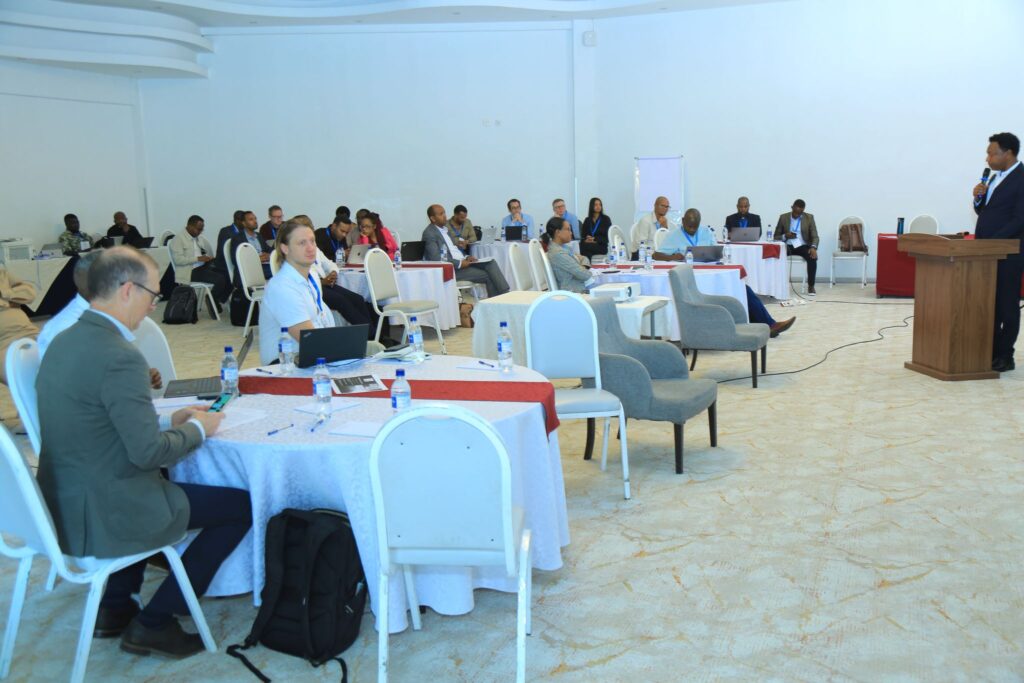
Strengthening digital health and regional surveillance
One of the key discussions during the convening focused on strengthening digital health and regional disease surveillance across Africa.
HISP Africa leaders and the Africa CDC Surveillance team explored opportunities to advance digital surveillance strategies, improve interoperability between health information systems, and strengthen data-driven approaches to outbreak preparedness and response.
The discussions also highlighted the role of open-source technologies and stronger collaboration in building resilient digital health systems that can respond to the evolving needs of countries across the continent.
For HISP Rwanda, these discussions closely align with its ongoing work to support sustainable health information systems and strengthen the use of data for decision-making.
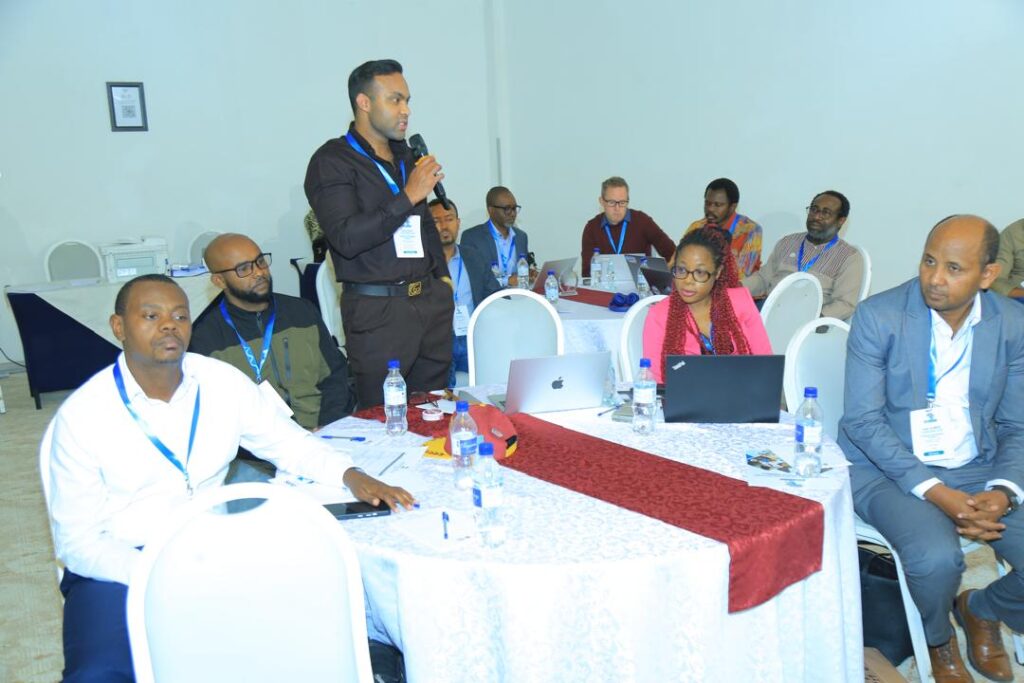
New leadership for the HISP Africa Steering Committee
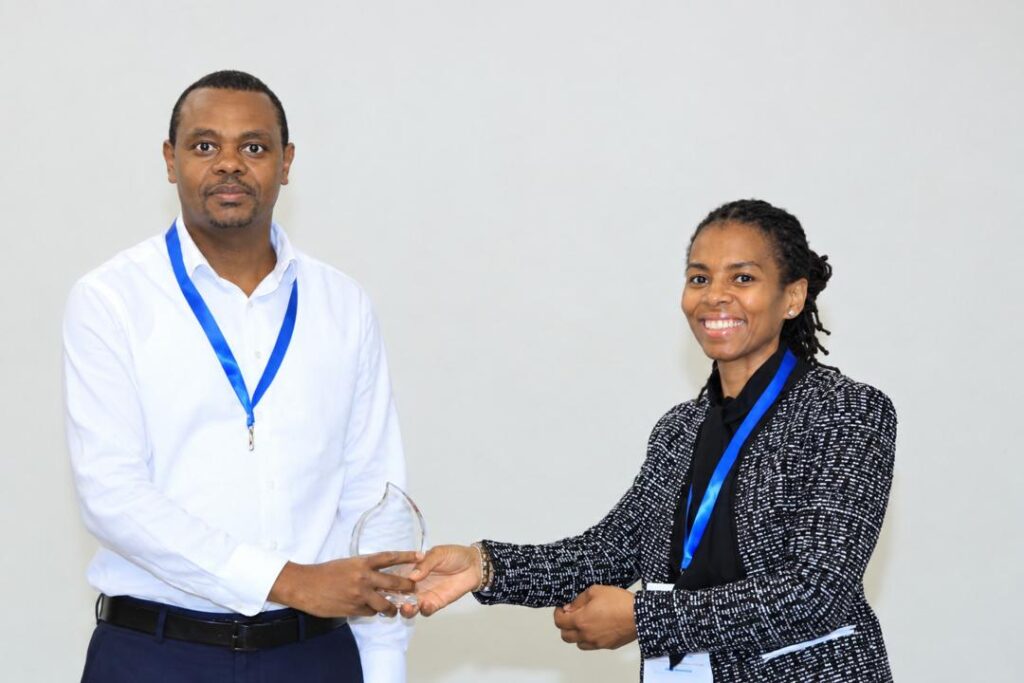
The convening also marked an important leadership transition within the HISP Africa network.
Dr. Tiwonge D. Manda from HISP University of Malawi was elected as the new Chairperson of the HISP Africa Steering Committee, succeeding Dr. Sean Broomhead of HISP South Africa, who completed his term of service.
HISP Rwanda joins members of the network in recognizing Dr. Broomhead’s leadership and contribution to the HISP Africa community.
Mrs. Bethlehem Fekadu from HISP Ethiopia was also elected as Vice Chairperson of the Steering Committee.
The new leadership comes at a time when collaboration across the HISP Africa network continues to play an important role in advancing digital transformation, strengthening partnerships, and supporting countries in developing sustainable digital systems.

A platform for knowledge exchange and collaboration
As the convening progressed, participants had opportunities to exchange experiences from different countries, present ongoing initiatives, and discuss emerging opportunities for collaboration.
Day 4 brought together HISP Africa members and partners for a day focused on knowledge sharing and collaboration around sustainable digital transformation.
Representing HISP Rwanda, the team participated in presentations and discussions with colleagues and partners working to strengthen digital systems and data use across Africa.
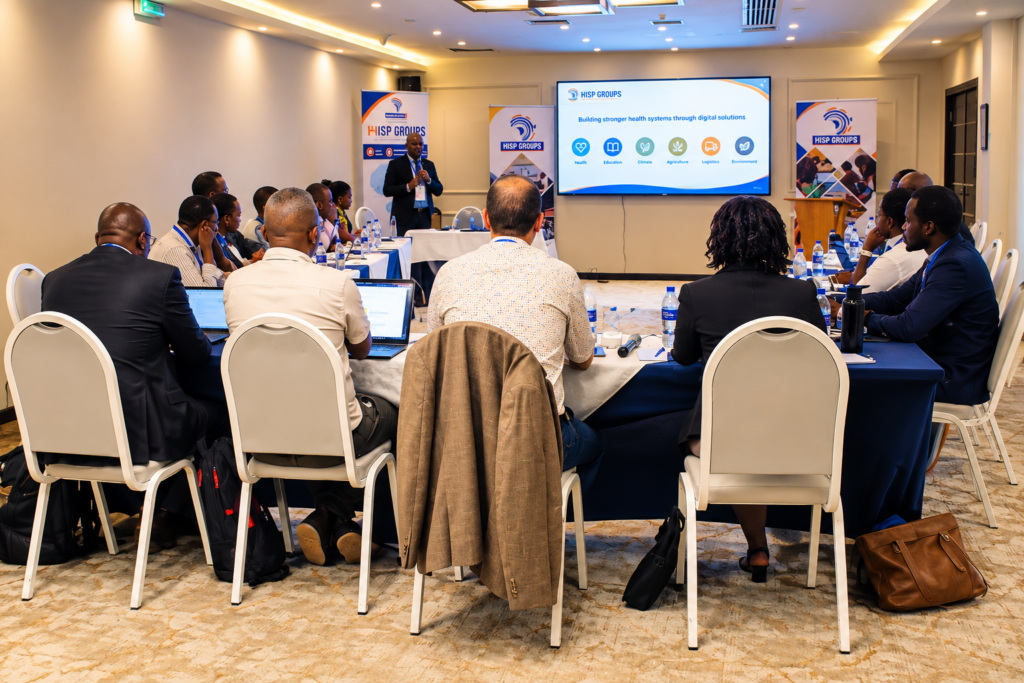
The sessions provided an opportunity to learn from experiences across different countries while highlighting the importance of shared knowledge, open collaboration, and solutions that respond to local contexts.
The day also featured opening remarks from Gemechis Melkamu, Digital Health Lead Executive Officer at Ethiopia’s Federal Ministry of Health, who helped set the stage for the discussions and knowledge exchange.
Connecting Rwanda’s experience to a wider African vision
HISP Rwanda’s participation in the convening provided an opportunity to connect its experience in digital health and health information systems with the broader work of the HISP Africa network.
Through its work supporting digital transformation, capacity building, data systems, and the implementation of sustainable digital solutions, HISP Rwanda continues to contribute to efforts to strengthen how data and technology are used to support health and development.
The convening demonstrated the value of bringing together technical experts, governments, development partners, and organizations working across different countries and contexts. Such platforms create opportunities to share lessons, identify common challenges, explore partnerships, and develop approaches that can be adapted to country needs.
Looking ahead
The HISP Africa Convening 2026 reinforced the importance of partnerships in advancing sustainable digital transformation across the continent.
For HISP Rwanda, the event was an opportunity not only to participate in regional conversations but also to strengthen relationships with colleagues and partners, share experiences from Rwanda, and gain insights that can inform its ongoing work.
As countries across Africa continue to invest in digital health, disease surveillance, interoperability, and data-driven systems, collaboration and knowledge exchange will remain essential to ensuring that these systems are sustainable, locally relevant, and capable of responding to evolving needs.
From Addis Ababa to Rwanda and across the wider HISP Africa network, HISP Rwanda remains committed to learning, sharing, and building partnerships that contribute to sustainable digital transformation and stronger data systems across Africa. HISP Africa is a continental network bringing together 15 local HISP groups working to advance digital transformation across Africa through long-term partnerships with government institutions in 50 countries.
In September, HISP group leaders gathered in Addis Ababa, Ethiopia, for the first HISP Africa Convening. The meeting brought together national, regional, and global partners, including Africa CDC, WHO, FAO, UNICEF, AU-IPED, the European CDC, the Gates Foundation, and HISP UiO.
The convening provided a platform to strengthen partnerships, explore new collaborations, and advance the shared goal of turning data into sustainable impact across Africa.
END