
DHIS2 Academy Strengthened Data Access and Analysis Skills
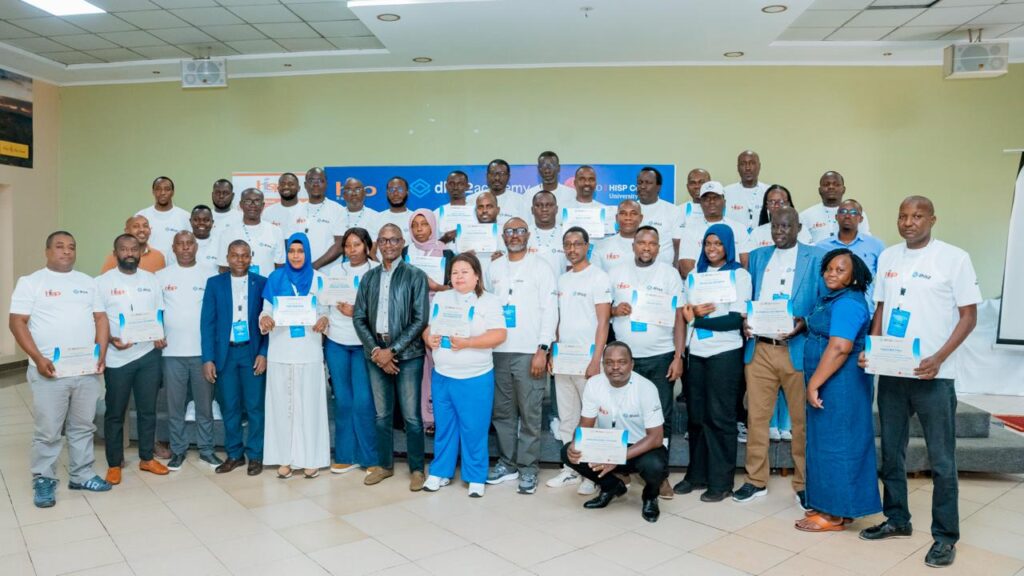
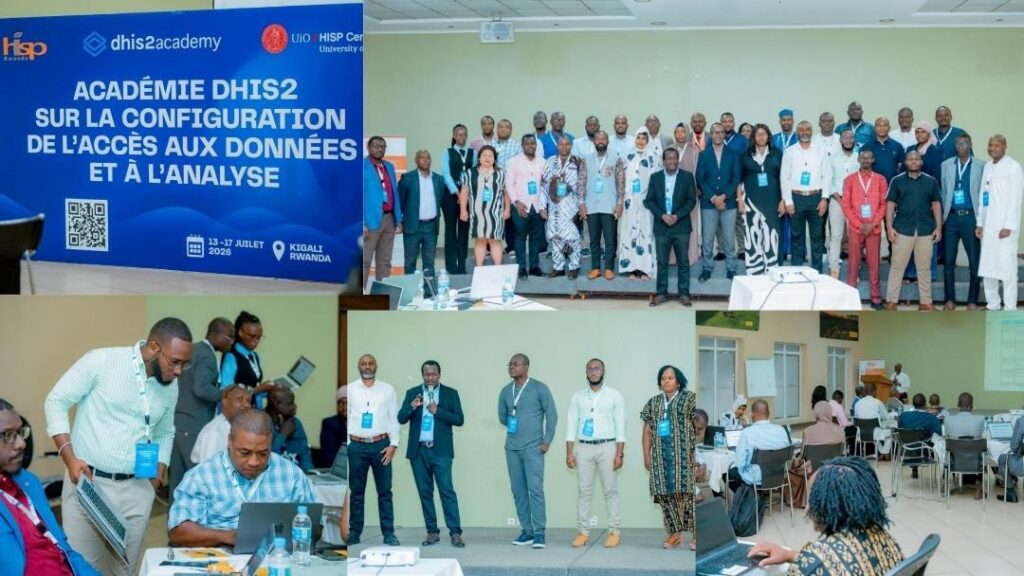
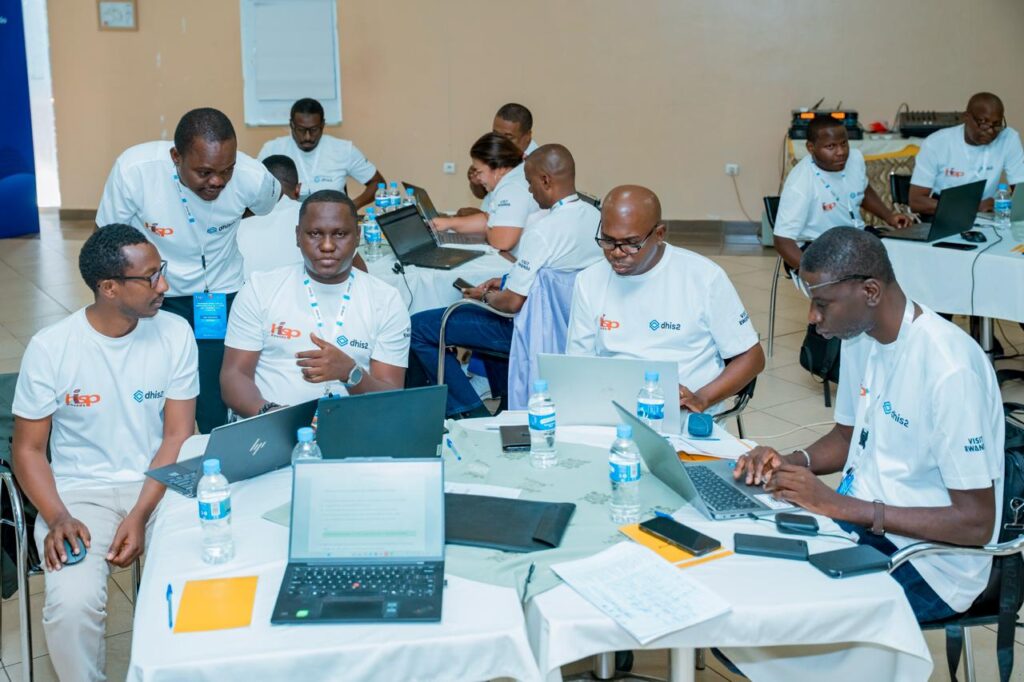
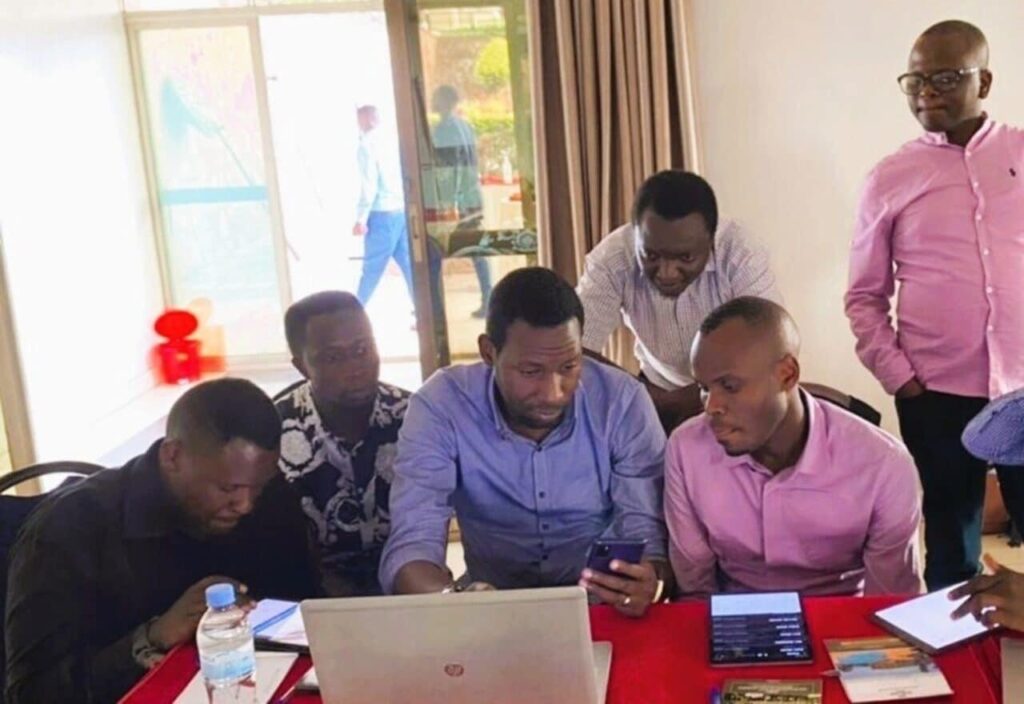
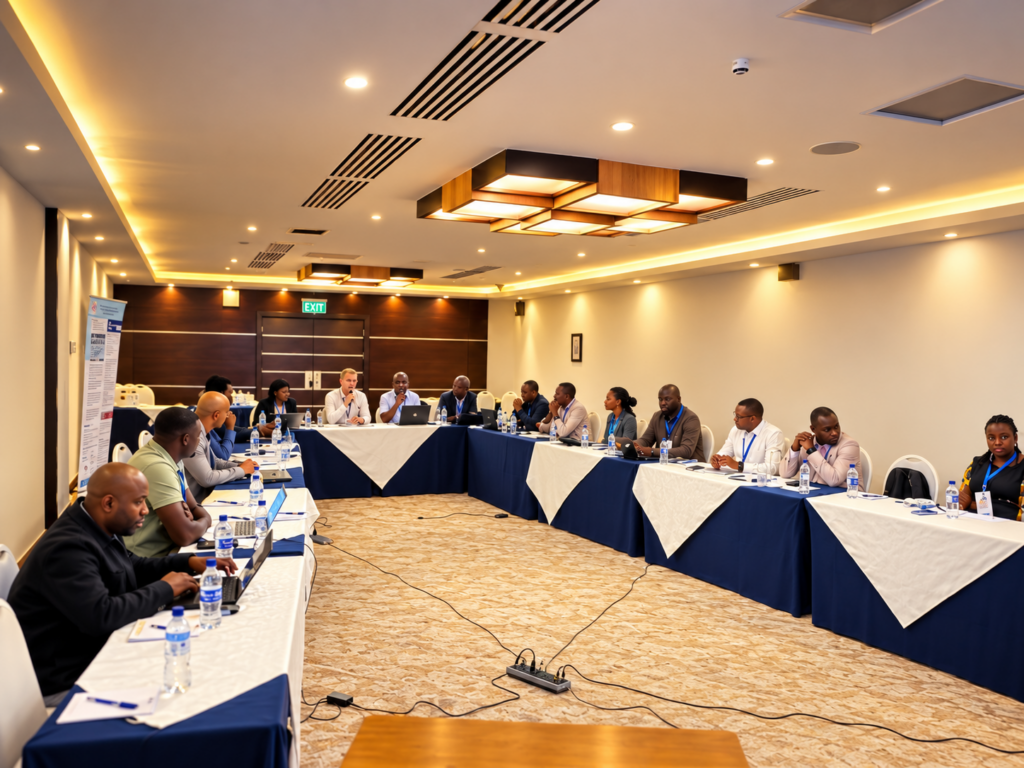
HISP Rwanda, in collaboration with the University of Oslo, hosted a five-day DHIS2 Academy on Configuration of Data Access and Analysis in Kigali from 13–17 July 2026. The training brought together participants from 10 countries—Guinea, Senegal, Rwanda, the Central African Republic, Chad, Comoros, Congo, Djibouti, Madagascar and Gabon. The academy focused on strengthening practical skills in DHIS2 configuration, data management, access control and analysis.
Participants engaged in theoretical sessions, practical exercises and peer learning covering data elements, organisational units, categories, datasets, indicators, validation rules, dashboards, user roles and data-access configurations. The academy concluded with a review, final examination and certificate ceremony, reinforcing the shared commitment to building a stronger DHIS2 community and promoting better use of quality data for decision-making.
Chad Delegation Visited HISP Rwanda for Digital Health Knowledge Exchange
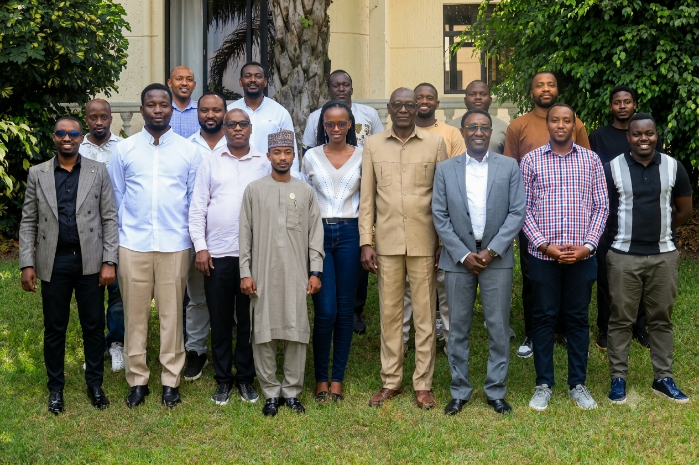
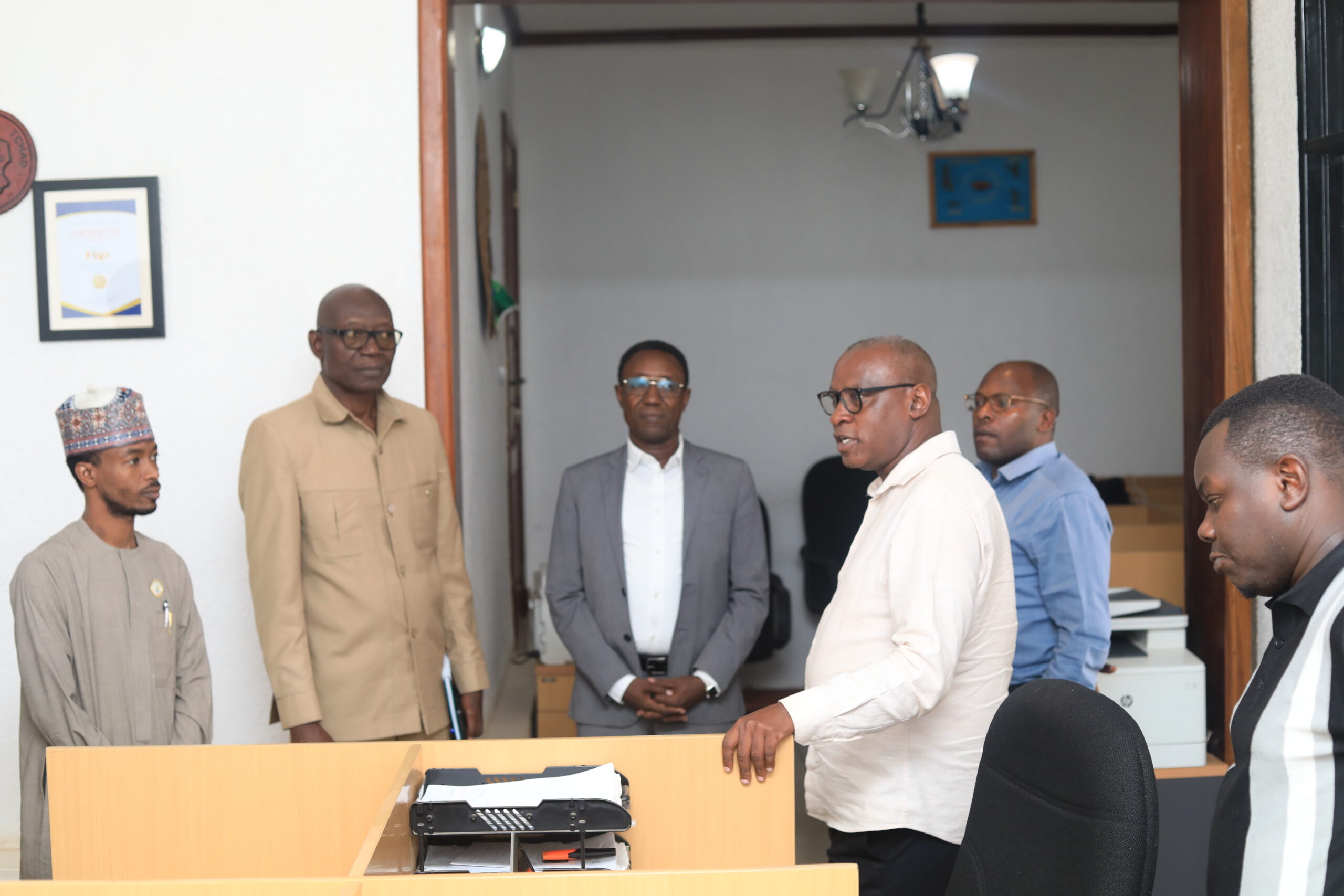
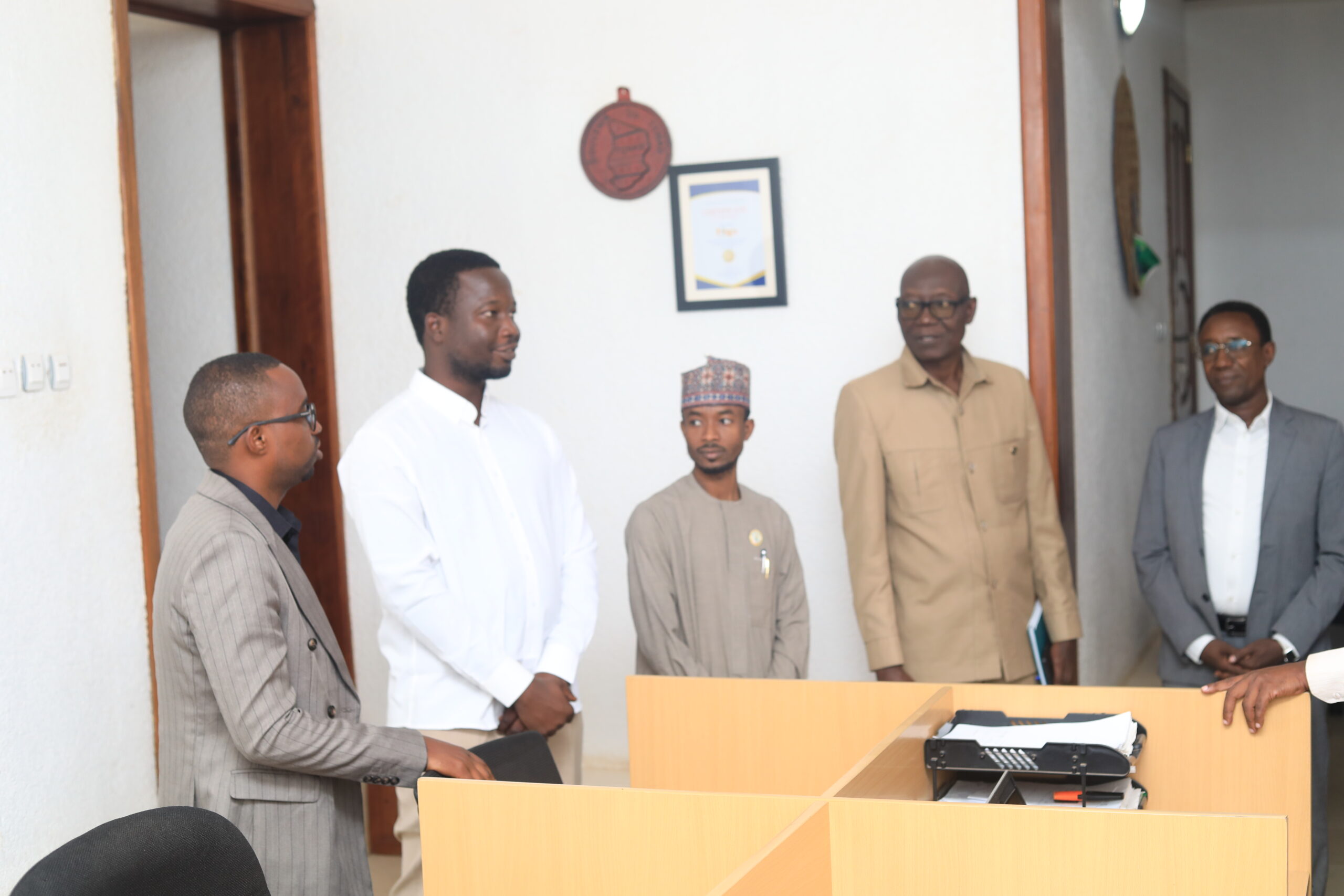
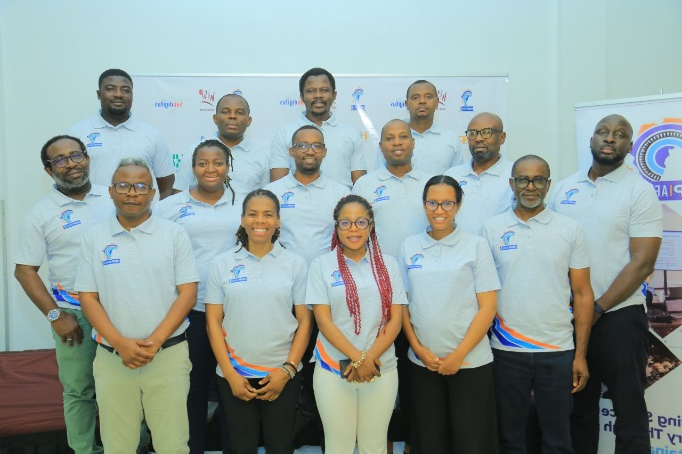
HISP Rwanda welcomed a delegation from the Ministry of Public Health and Prevention and the National Institute of Public Health of Chad during a learning mission focused on public health innovation and digital transformation. The delegation explored HISP Rwanda’s technical teams and learned about the organisation’s work in digital health, health information systems and DHIS2-based solutions.
The visit also provided an opportunity to discuss HISP Rwanda’s ongoing collaboration with the health sector in Chad, including digitalisation of health information systems and approaches to managing, analysing and using health data. The exchange highlighted the value of cross-country learning and opened opportunities for continued collaboration to strengthen integrated, connected and data-driven health systems.
Gabon Strengthened DHIS2 Capacity Through the Kigali Academy
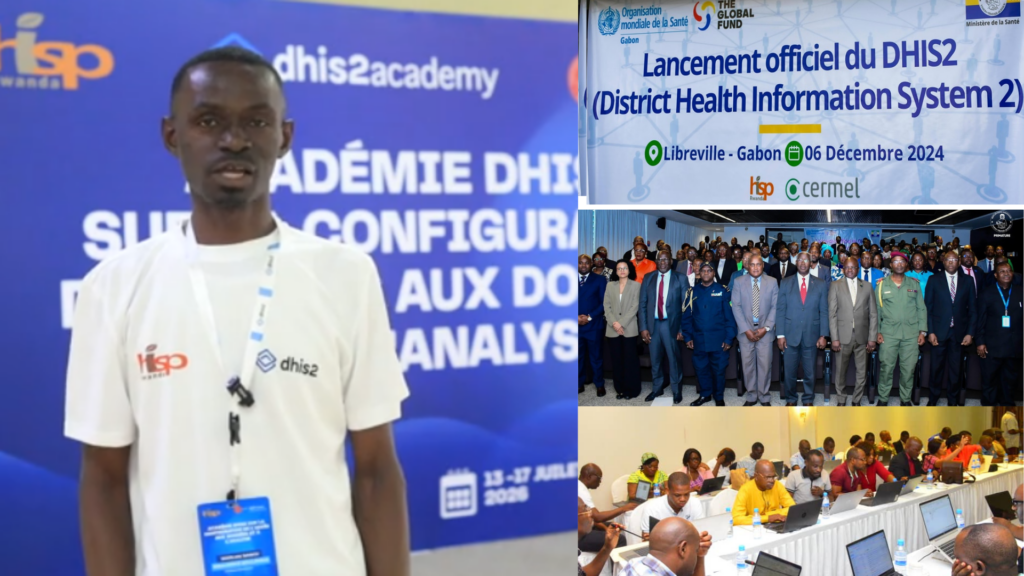
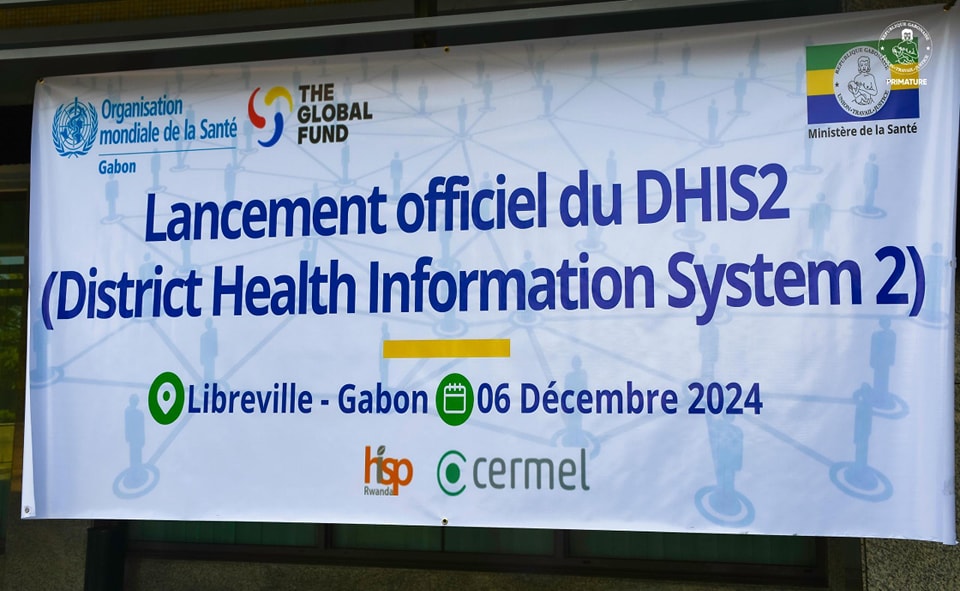
Representatives of the Ministry of Health of Gabon participated in the DHIS2 Academy in Kigali, nearly two years after the country officially adopted DHIS2. The training provided an opportunity to deepen knowledge of DHIS2 configuration, data analysis and optimisation, while strengthening the skills needed to make better use of health information.
Marlon Boulingui Boulingui, Statistics and Studies Officer at the Ministry of Health of Gabon, shared the country’s experience and highlighted the importance of continued capacity building. His reflections underscored how stronger technical skills and better use of health data could contribute to improved data quality and more informed decision-making.
Guinea-Conakry Joined the DHIS2 Academy for the First Time
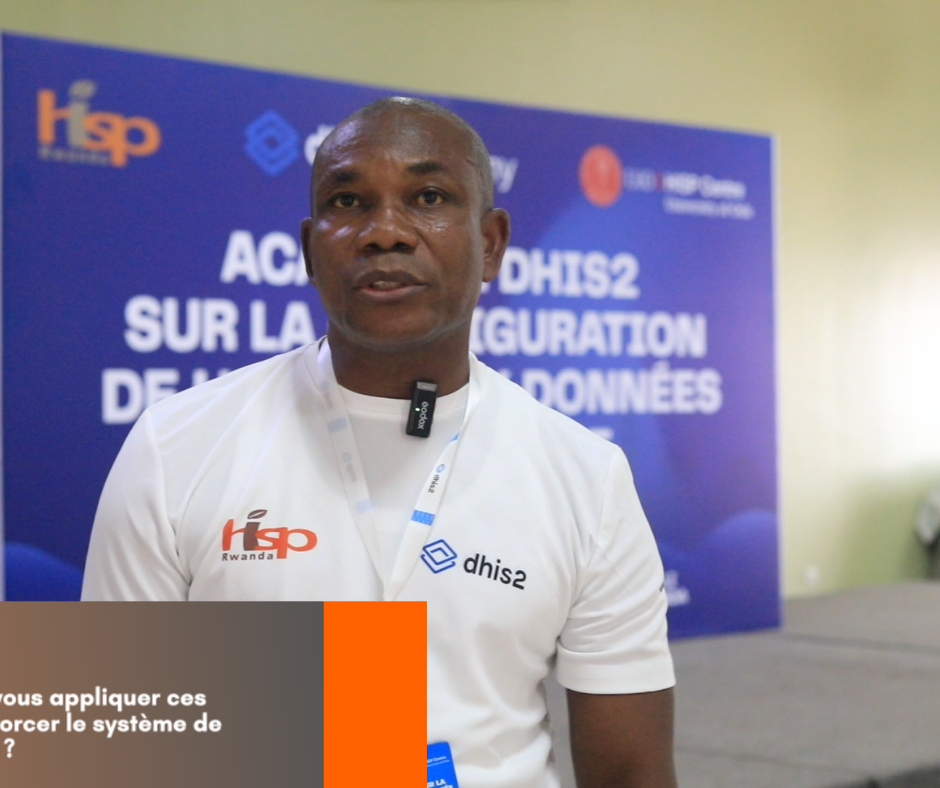
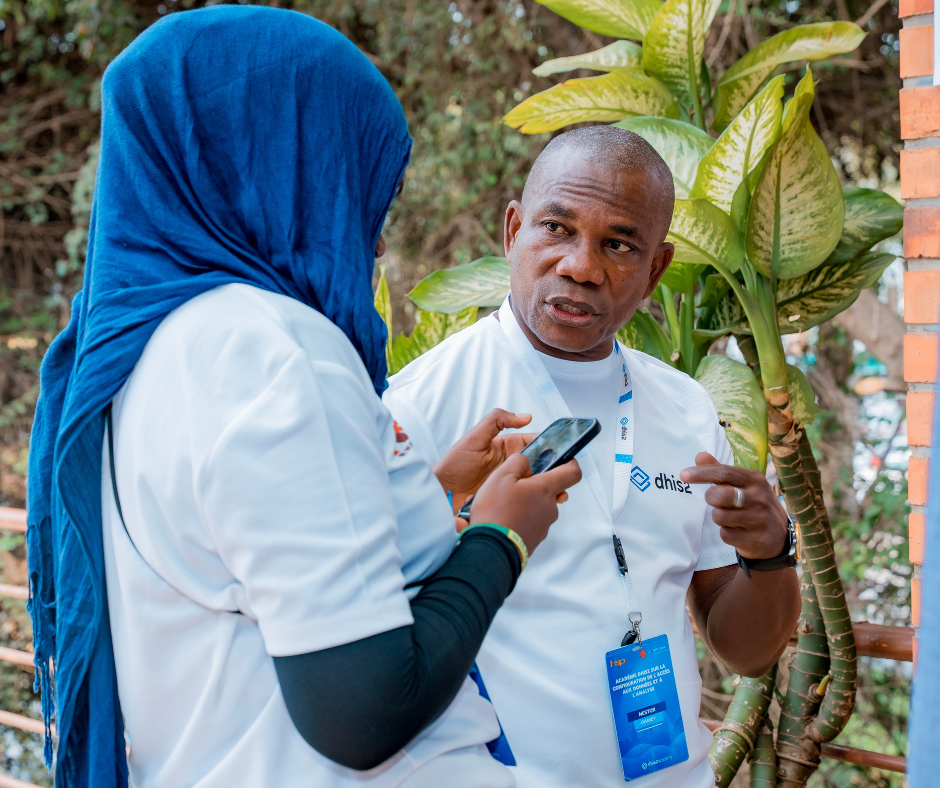
For the first time, a delegation from Guinea’s National Agency for Health Security (ANSS) participated in the DHIS2 Academy organised by HISP Rwanda in collaboration with the University of Oslo. Nestor Damey and M’mahawa Soumah used the training to develop their understanding of DHIS2 and build practical skills in configuration and data analysis.
Their participation represented an important step in strengthening digital health capacity in Guinea. Through their experience in Kigali, the participants gained new perspectives on the role of data in health decision-making and explored how the knowledge acquired during the academy could contribute to strengthening Guinea’s health information systems.

Digital Transformation of Rwanda’s Hospital Accreditation
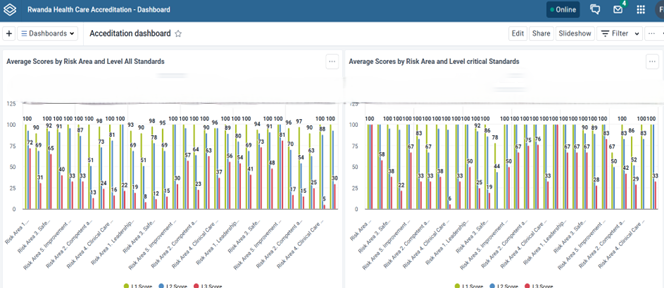
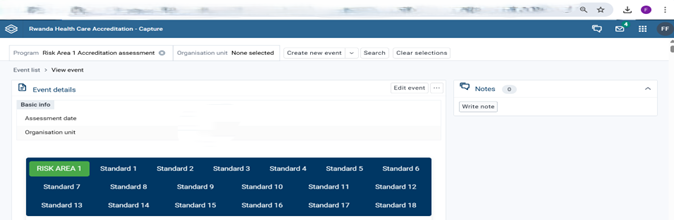
HISP Rwanda developed the Rwanda Hospitals Accreditation Platform to support the digitalisation of hospital accreditation processes in Rwanda. Built on DHIS2, the platform was designed to simplify accreditation assessment, reporting, monitoring and performance evaluation while providing a centralised environment for accreditation data and analytics.
The platform addressed challenges associated with paper-based and fragmented processes, including delayed reporting, limited visibility of performance and difficulties in maintaining historical records. It introduced electronic assessments, automated scoring, real-time dashboards, centralised reporting and secured role-based access, helping stakeholders—including the Ministry of Health, hospitals and assessment teams—to access information more efficiently and support evidence-based quality improvement.

Bringing AI Closer to DHIS2 Health Data
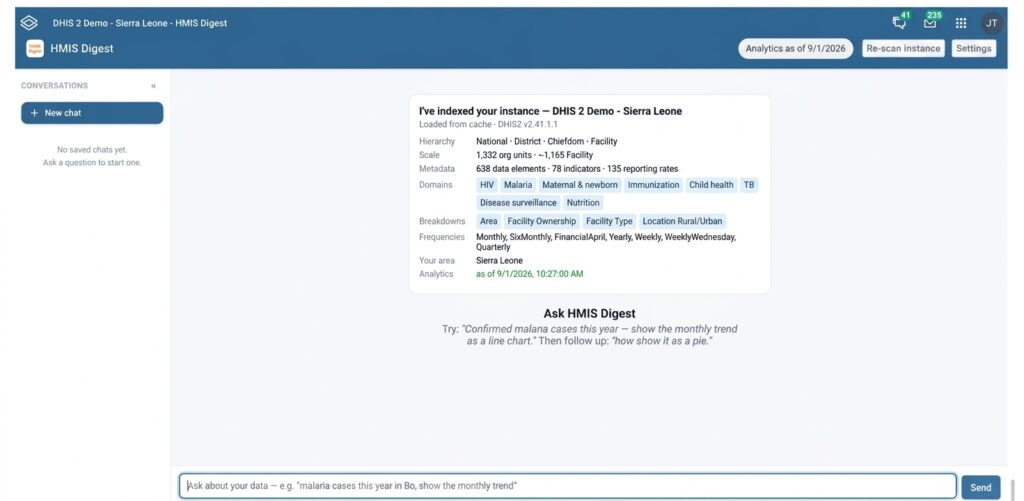
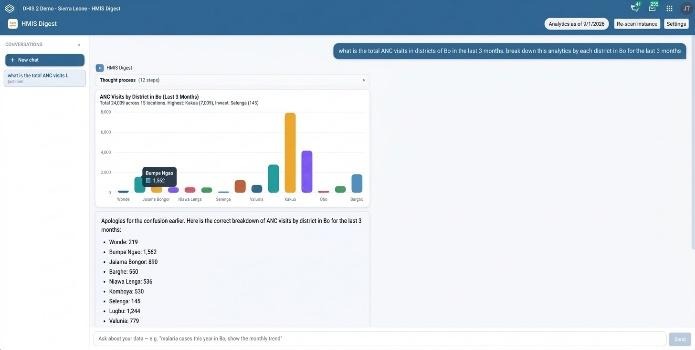
HISP Rwanda continued to explore how artificial intelligence could make health data analysis more accessible through HMIS Digest, an AI application connected to DHIS2 and under pilot testing. The application allowed users to ask questions in natural language and receive data analysis, visualisations and interpretations without having to navigate traditional DHIS2 analytics tools.
The pilot showed promising results in areas including DHIS2 connectivity, natural-language understanding, calculations, interpretation and usability. At the same time, testing identified areas requiring further improvement, particularly query interpretation, district-level visualisation and response time. These findings provided a practical roadmap for strengthening the application and moving closer to a simple, accessible and reliable approach to health data analytics.
Exploring Responsible and Locally Hosted AI for Health Analytics
HISP Rwanda also shared its work on responsible AI through an AI Forum presentation by Damour Nsanzimfura, Climate-Health Modeler and AI Engineer. The presentation explored HMIS Digest as an agentic AI tool designed to support health data analysis within the DHIS2 ecosystem while addressing data privacy, transparency and governance considerations.

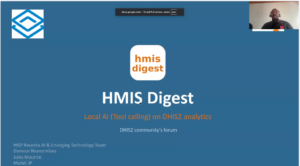
Unlike a conventional chatbot, HMIS Digest was designed to interact with DHIS2 APIs, plan analytical tasks and generate answers supported by available data and metadata.
The work demonstrated the potential of locally hosted AI models to keep sensitive health information within an organisation’s infrastructure while bringing advanced analytical capabilities closer to health system stakeholders.
Rwanda’s Cancer Registry: From Paper-Based Records to Digital Surveillance
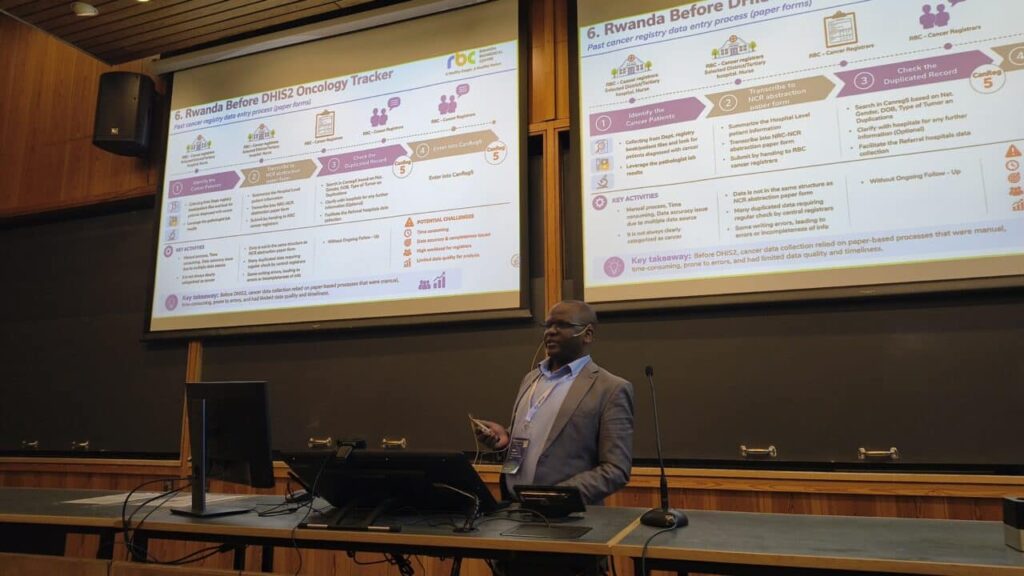
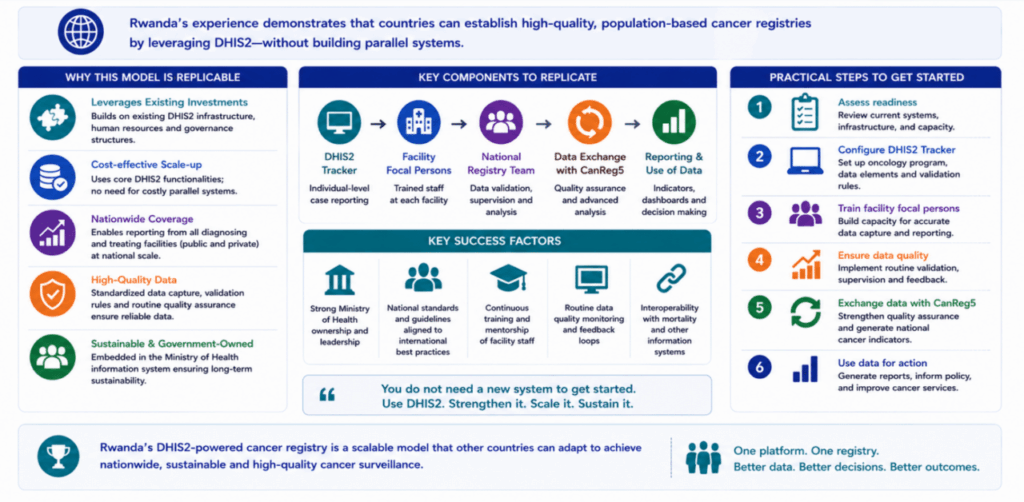
Rwanda continued to demonstrate how digital technologies could strengthen cancer surveillance through the integration of the Rwanda Cancer Registry into DHIS2. With support from HISP Rwanda, the Rwanda Biomedical Centre and the Ministry of Health moved cancer registration from heavily paper-based processes towards digital reporting, enabling the registry to expand from primarily covering Kigali to health facilities across the country.
The DHIS2 Oncology Tracker, introduced in 2019, enabled health facilities to capture cancer information electronically and supported the transfer of data to CanReg5 for coding, deduplication and quality assurance. The digital approach also gave facilities greater visibility of their data, patient follow-up and data gaps, while supporting improved data quality. The experience demonstrated how government ownership, local technical expertise and existing digital health infrastructure could contribute to a sustainable national cancer surveillance system.
HISP Rwanda at the HISP Africa Convening 2026
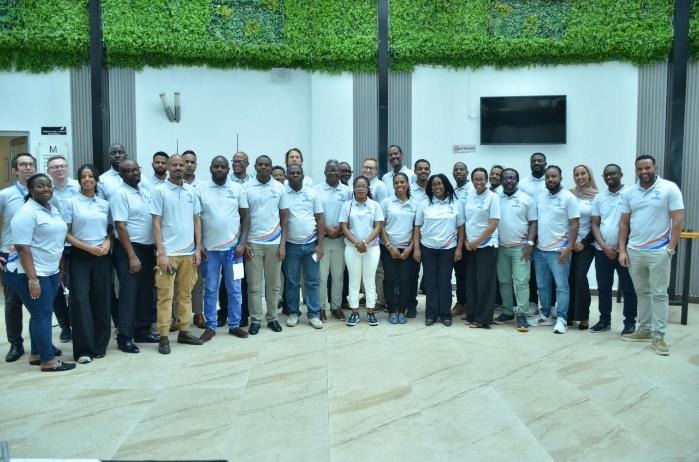
HISP Rwanda joined HISP Africa members and partners during the HISP Africa Convening 2026 in Addis Ababa for knowledge exchange, collaboration and discussions on sustainable digital transformation. The team participated in presentations and discussions with colleagues and partners from across the continent, sharing experiences and learning from different country contexts.
The convening provided an important platform for strengthening relationships within the HISP community and exploring opportunities for collaboration around digital systems and data use. HISP Rwanda’s participation reflected its continued commitment to learning, sharing knowledge and contributing to locally driven digital transformation across Africa.
HISP Rwanda Joined the Africa HealthTech Summit 2026
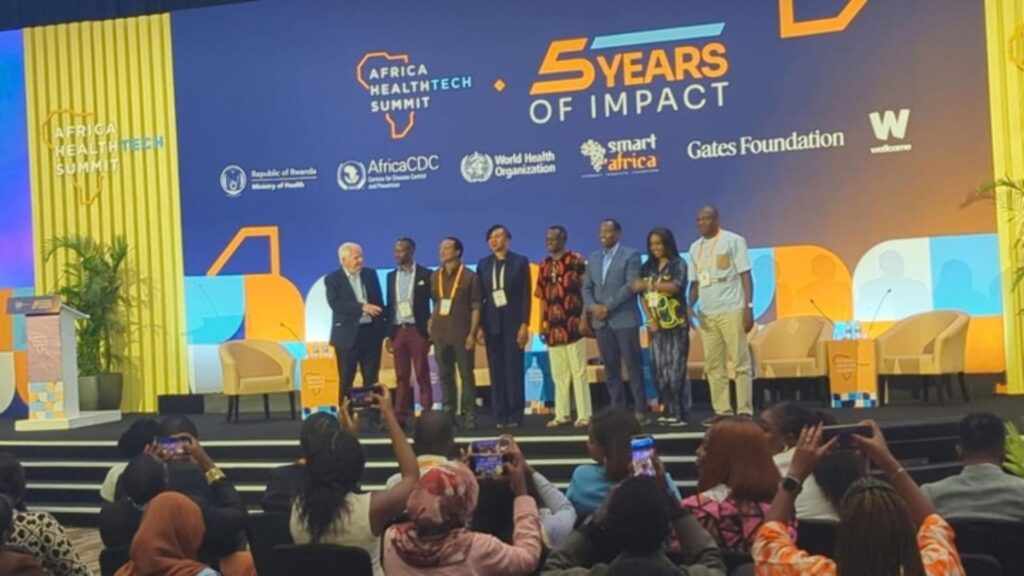
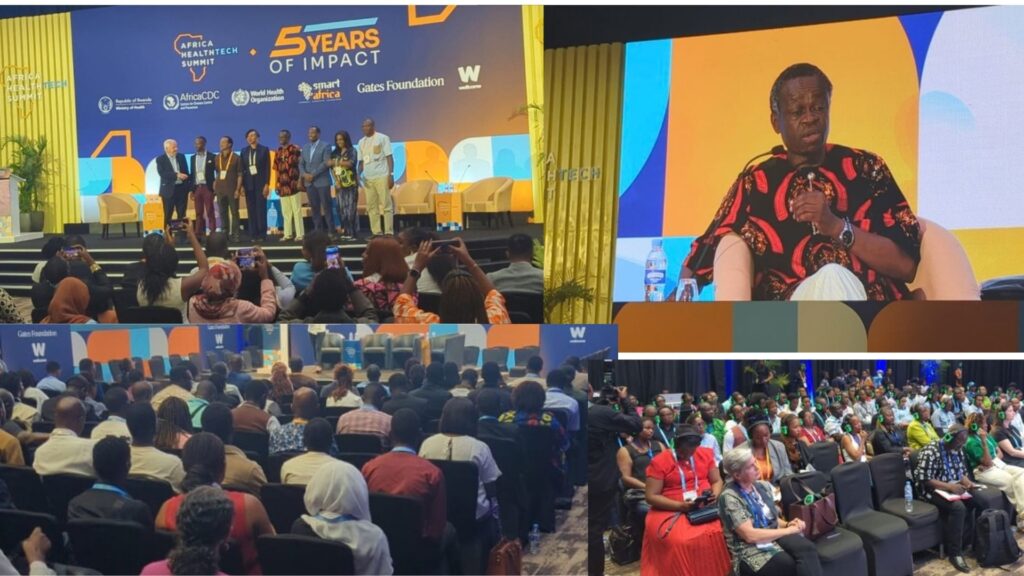
HISP Rwanda participated in the Africa HealthTech Summit 2026, which began on 30 September at the Kigali Convention Centre under the theme “Wellness for All – Powered by Intelligent Health Systems.” Amza Ndabateze, CAR Portfolio Manager, represented HISP Rwanda and HISP Africa at the summit, joining health leaders, technology innovators, policymakers and partners in discussions on the future of digital health.
The summit provided an opportunity to share experiences and engage in conversations around digital health transformation, interoperability, data use and sustainable information systems. HISP Rwanda’s participation reinforced its commitment to partnerships and to advancing digital health solutions that turn data into better decisions and improved health services across Africa.

Remembering Bob Jolliffe
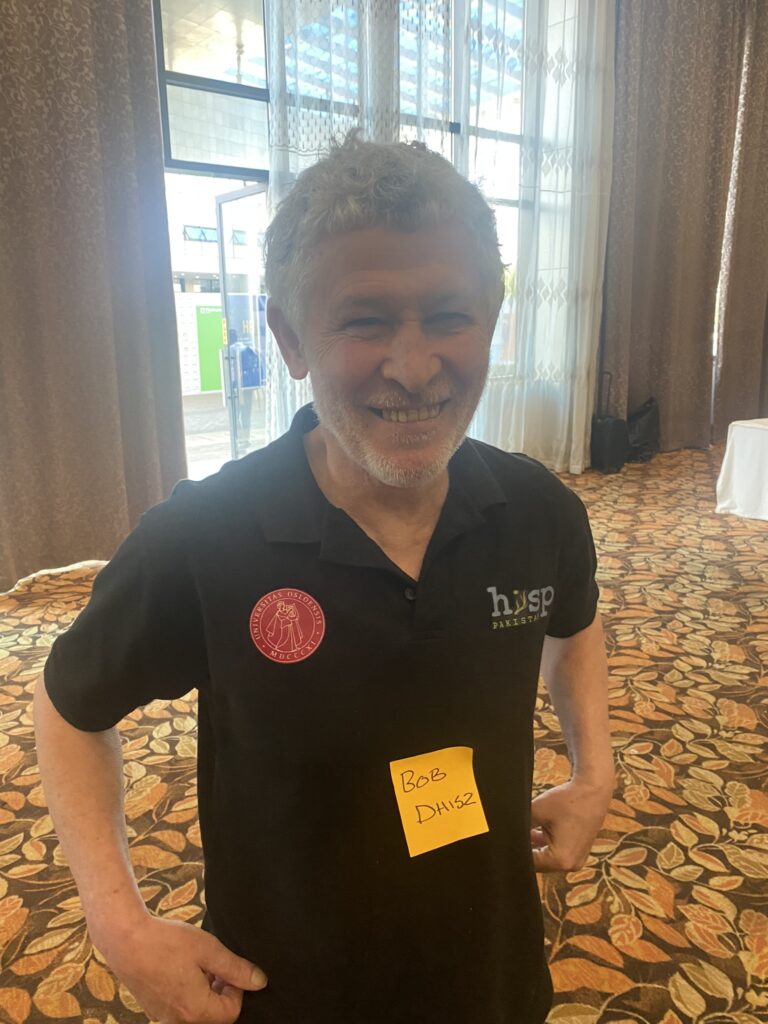
HISP Rwanda joined the wider HISP and DHIS2 community in mourning the passing of Bob Jolliffe, a respected colleague and long-standing member of the community. Over nearly two decades, Bob was recognised for his exceptional technical knowledge, generosity, kindness and commitment to supporting health information systems around the world.
At HISP Rwanda, he was particularly remembered for his willingness to support the team whenever technical challenges arose, especially with servers. Jean Paul Mutali, Digital Infrastructure Systems Integration Director at HISP Rwanda, recalled Bob’s willingness to go the extra mile to help colleagues. His knowledge, dedication and compassion left a lasting mark on the HISP community, and HISP Rwanda extended its deepest condolences to his family and colleagues. RIP BOB
END