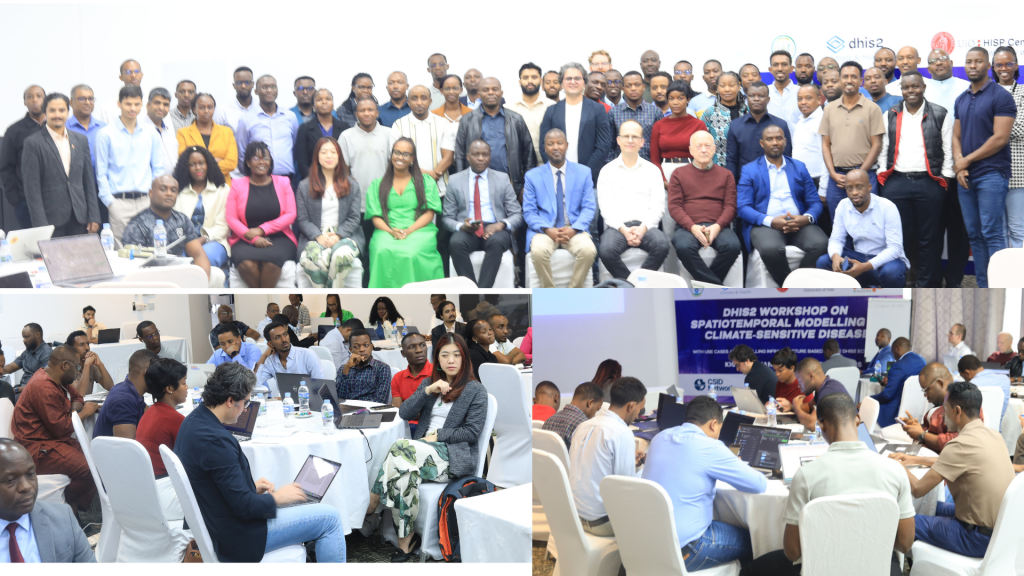
HISP Rwanda, in partnership with the Ministry of Health Rwanda, is hosting a five-day practical DHIS2 workshop on spatiotemporal modelling of climate-sensitive diseases in Kigali.
The workshop brings together over 60 participants from more than 15 countries across Africa, Europe, and Asia, including national health programme teams and DHIS2 implementing partners. The training aims to strengthen country capacity to analyse, model, and interpret climate and health data to improve forecasting and response to climate-sensitive diseases.

The event is organized by the HISP Centre at the University of Oslo in collaboration with CSID Network, SOSCHI, the Data Lab for Social Good, and TRUST, alongside national partners in Rwanda.
Throughout the week, participants are gaining hands-on experience applying spatiotemporal modelling approaches to real-world country use cases. Sessions focus on developing and evaluating predictive models that capture spatial and temporal patterns of disease risk influenced by climate variability.
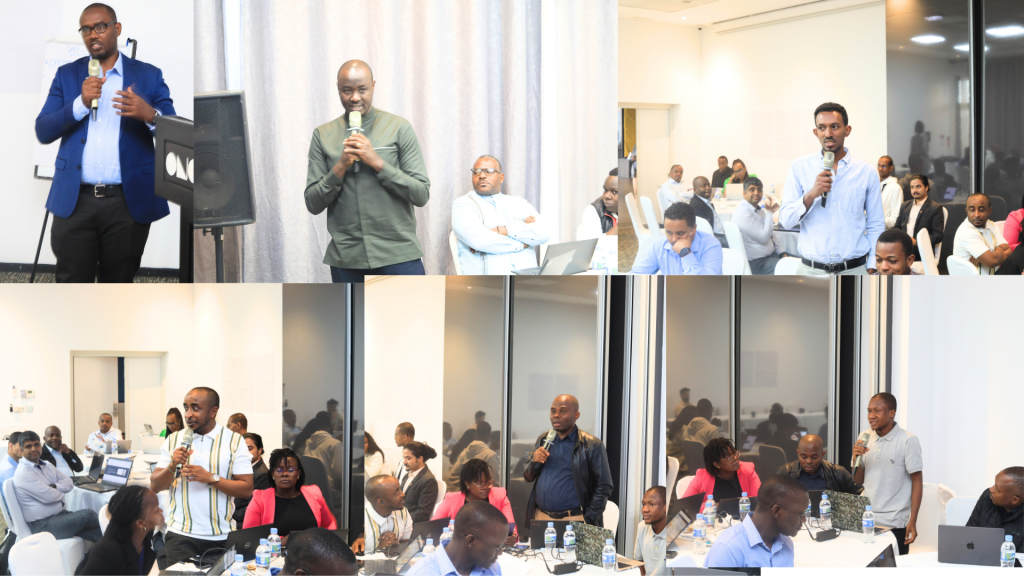
The workshop also introduces participants to DHIS2-based tools designed to support climate-informed public health decision-making. These include the CHAP modelling platform and the DHIS2 Climate App, which enable countries to integrate climate data and modelling outputs into routine health surveillance systems and early warning mechanisms.
By strengthening practical modelling skills among national teams and DHIS2 partners, this initiative contributes to advancing data-driven preparedness and response to emerging climate-related public health risks, while fostering collaboration between climate scientists, health experts, and digital health implementers.